You may find the following links helpful in explaining nodules:

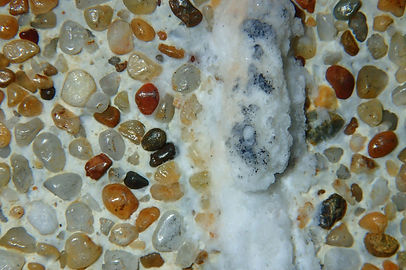
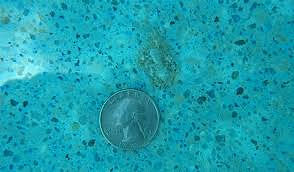
Calcium nodules in swimming pools are small, unsightly bumps composed of calcium carbonate that can form on plaster, fiberglass, or tile pool linings. They typically result from a poor plastering job or normal aging in older plaster pools. When air bubbles become trapped in dried plaster, it leads to the delamination of the pool lining, allowing elements of it to become exposed to the pool water. Loose or Drummy Surface: If the pool surface becomes loose or develops voids, water can seep behind the pebbles or other materials. Calcium hydroxide may then bleed into the water, leading to the creation of calcium carbonate nodules along the surface. Calcium hydroxide in the pool lining may combine with alkaline elements in the water, forming calcium nodules
To remove calcium nodules, you can scrape them off with a stiff trowel, but this is only a temporary fix as they will likely reform. The only true solution is to repair or replace the pool’s lining. Formation of Calcium Nodules in Pool Water: When the pool water has an elevated pH level, it can contribute to the formation of calcium nodules. Maintaining the correct pH balance is crucial to preventing this issue.
Very High Calcium Hardness: Proper calcium hardness levels are essential for protecting the pool surface from calcium-related problems. For pebble, quartz, and glass bead pools, the suggested calcium hardness level is 200–250 ppm. Fiberglass pools vary by manufacturer, but most recommend a minimum of 150 ppm. side of the surface: Sometimes, calcium nodules form within the pool surface itself. These stubborn calcium deposits often appear as hard white scales on the pool surface.
To prevent calcium buildup, focus on maintaining the right pH and alkalinity and ensuring proper water balance. While some treatments temporarily reduce the effects of high calcium, they don’t permanently remove calcium buildup. Keeping the water chemistry balanced is key to avoiding calcium-related issues in swimming pools.
Chemical Treatment:
*Use a pumice stone or a tile brush to gently remove the scaling from pool walls, tiles, and other surfaces.Be cautious not to damage the pool finish while scrubbing.